Ultra-Wide-Band Radars
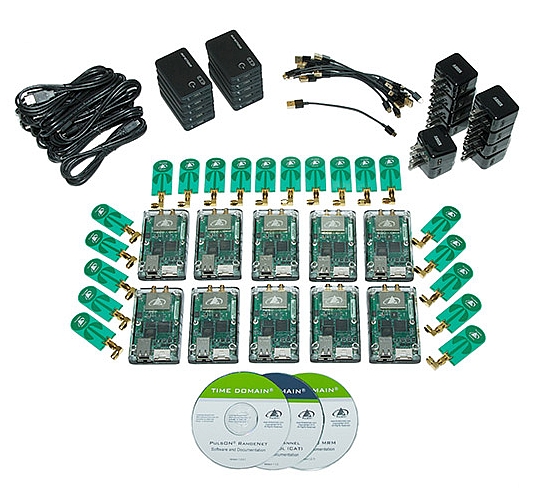
The pulsed Ultra-Wide-Band Radars from Time Domain P410 are mainly used for short-range detection, which has a different application purpose than usual a radar is known for. Combined with a suitable omnidirectional antenna as shown in Fig. 1, the system can cover 360 degrees in an indoor environment. The radar operates at a centre frequency of 4.3 GHz with 2.2 GHz bandwidth.
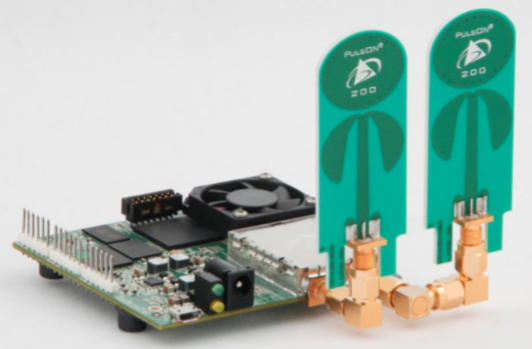 Figure 1: PulsON P410 - Time Domain (Humatics)
In our investigation in the MS3 group, radar technology is envisaged for support to living independently and can be so applied for Activities of Daily Living (ADL) monitoring and classification. The key feature of this system is that it is composed of six identical but separable radar nodes, that can be operated synchronously in a distributed monostatic or multistatic framework.
Our recent research interest considers multiple radars as shown in Fig. 2. Here, the radars are operating in a cooperative setting where a predefined area is covered and the individual can be detected in any direction within the predefined diameter area of roughly 6 meters. Besides detection, the radars signal can be used for creating a person's gross-motor activity profile as shown in Fig. 3 with the person's range and velocity (which is related to the Doppler frequency).
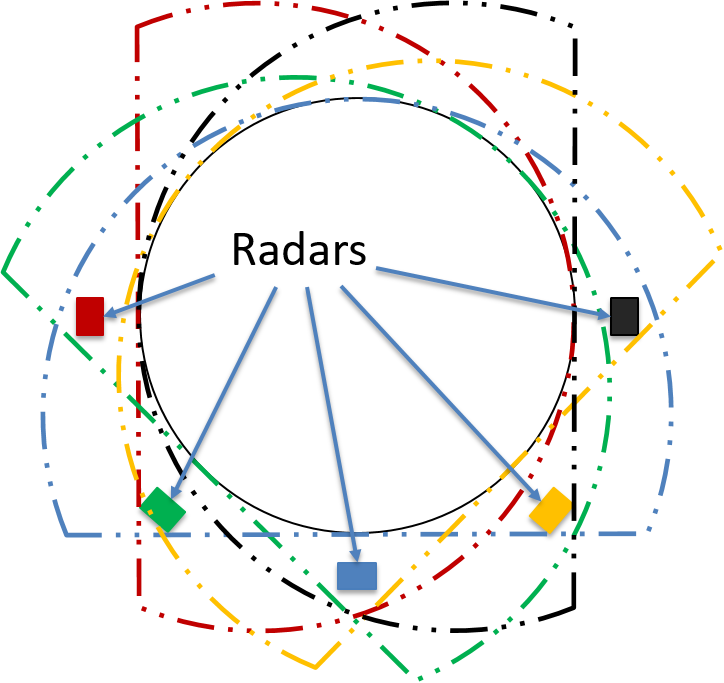 Figure 2: Uniform distributed multi radar setup
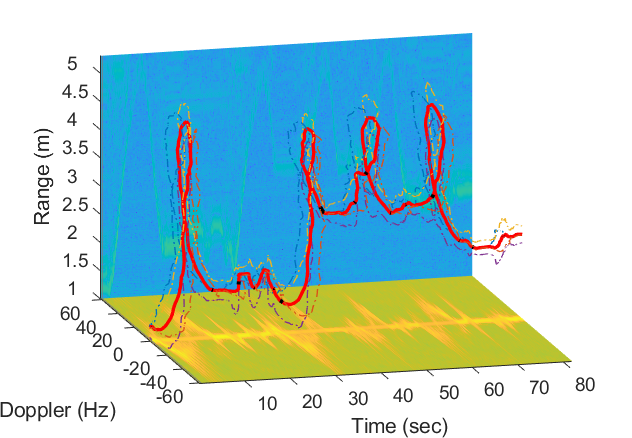 Figure 3: Human gross-motor activity profile
The detected activities are used for classification purposes, such as recognizing a critical falling action that can be life-threatening as shown in Fig. 4. Other more common activities are, i.e. sitting, bending, or walking. Such actions are recognized and classified by artificial intelligence (AI) algorithms where we apply current and beyond state-of-the-art machine learning methods for activity recognition.
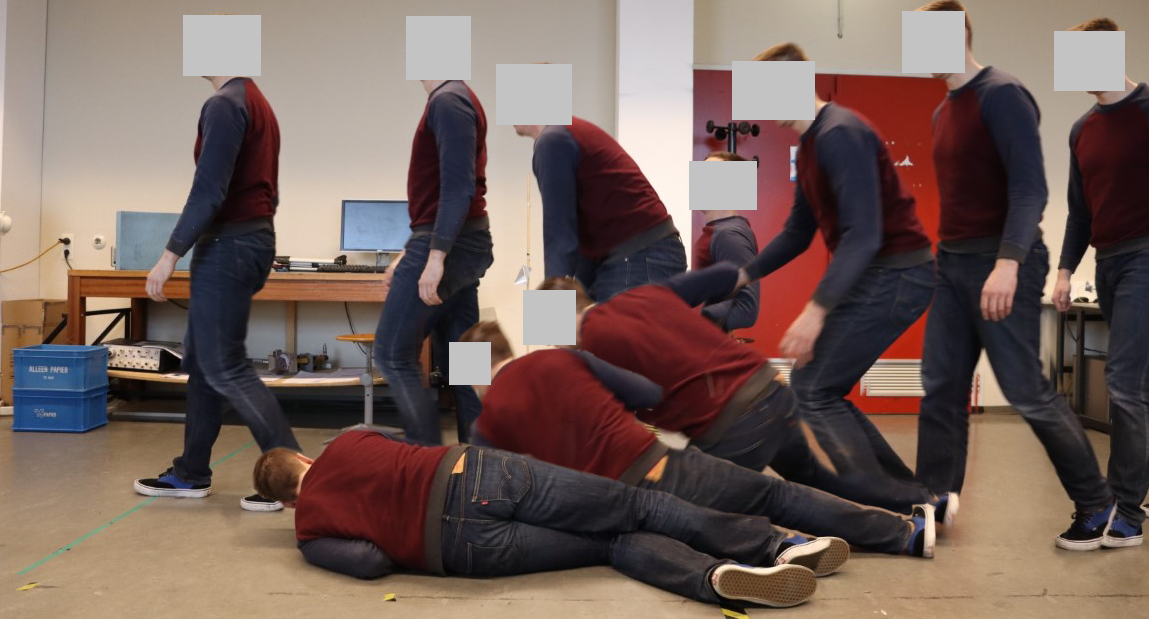 Figure 4: Human fall detection
* * *
These radars are also used within the practicum assignments that students have to do within our MSc courses.
* * *
Back
Back to the MS3 group facilities: RadarLab
Research Support
Agenda
- Wed, 21 Oct 2026
- 17:30
- Aula Senaatszaal
PhD Thesis Defence
Mujtaba Hassan
Towards Robust Radar Perception in Autonomous Vehicles: Deep Learning Methods for Object Detection, Velocity Estimation, and Data Association
- Tue, 27 Oct 2026
- 17:30
- Aula Senaatszaal
PhD Thesis Defence

Ids van der Werf
Channel-aware OTFS modulation for underwater acoustic communications
From theoretical analysis to experimental validation